
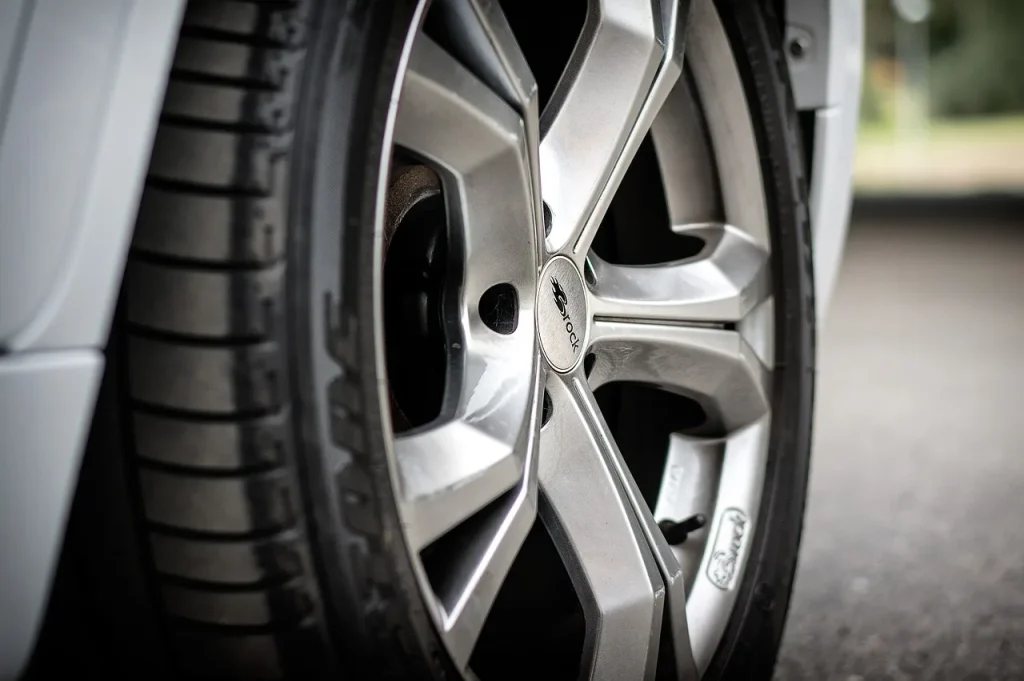
How to Prevent Corrosion on Wheels in Winter Salt
Wash wheels every 1 to 2 weeks during salt season and rinse the inner barrels too. Check chips, lug seats, valve stems, and wheel faces after each wash.
Wash wheels every 1 to 2 weeks during salt season and rinse the inner barrels too. Check chips, lug seats, valve stems, and wheel faces after each wash.

Black wheels often need different care because gloss, matte, and coated finishes react differently to pH, abrasives, and wax.

Brake pads are worn when you can confirm at least two of three signs: persistent squeal or grind, a longer or softer pedal, and pad friction material near 3 mm or less.
Inspect, gap, clean, or replace the spark plug on mowers, chainsaws, snowblowers, trimmers, and leaf blowers when starting or power problems appear.
Use patch-and-fuse kits for small fabric holes, filler for leather or vinyl punctures, and panel replacement when damage is large or stressed.

Find the fault first: collapsed foam, failed springs, or a bent support frame. Then choose repair, rebuild, or full cushion replacement.

Yes. A bad wheel bearing can change steering feel, cause pull or wobble, and trigger ABS warnings if the hub sensor signal is disrupted.
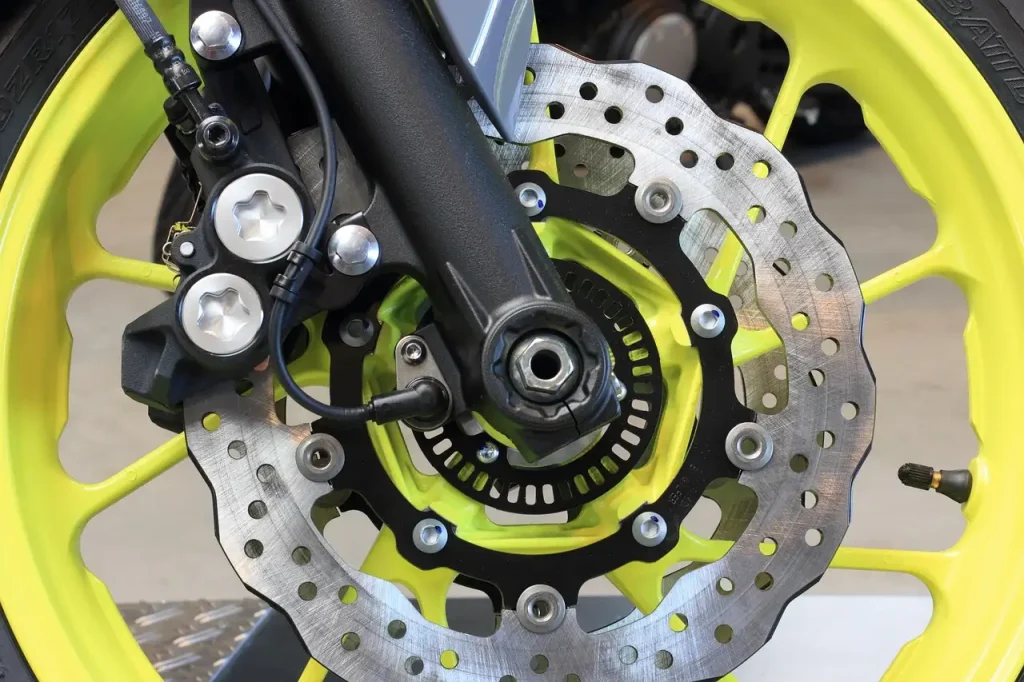
A bad ABS wheel speed sensor usually shows one wheel with implausible or zero speed on a scan tool, while the others read normally.
A weak battery can overwork an alternator, but it usually does not damage it unless charging faults persist. Replace the battery first if it fails a load test or cannot hold 12.4 volts after charging.
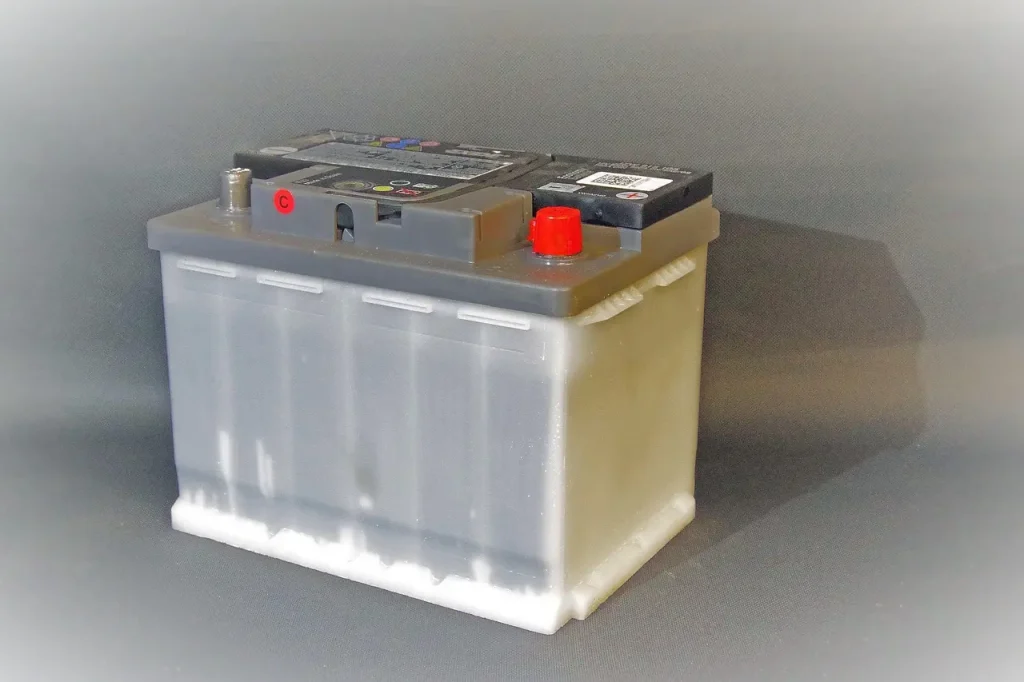
A weak battery can cause rough starts and idle stalling under 12.4 volts or 9.6 volts while cranking. Use a quick voltage check to split battery, alternator, and cable faults.